
National Estuaries Day began in 1988 to promote the importance of estuaries and the need to protect them. In partnership with the National Estuaries Program, National Estuarine Research Reserve Association, Restore America’s Estuaries, and many other organizations, the festivities have extended to a whole week. September 20 – 27 is a celebration of incredible estuary ecosystems and the many benefits they provide. This annual campaign aims to increase public awareness of estuaries and to encourage people to become involved in the protection of these important natural resources.
In honor of National Estuaries Week, the Hudson River Estuary Management Program is sharing reflections from our seasonal staff and interns who study and steward the Hudson’s critically important habitats and wildlife.
Colin Foley, Cornell Fisheries Technician, Hudson River Fisheries Unit
This is my first season working with the DEC. Ever since I was little, I’ve always had a strong interest in fish. Growing up, I could never figure out what I wanted to do for a career. Once I started working with the DEC earlier this season, I finally realized what I wanted to do. So far, I can confidently say that this has been an absolute dream job for me. The best part about working with the DEC is the awesome fisheries crew that I work with, as well as going out on the river and catching fish. One of the things that I’ve enjoyed most is seeing all the different species of fish that we catch in the river — there’s more than you’d think! It’s really rewarding to know that the work we do contributes to a greater good for the environment. It’s up to the DEC fisheries crew to keep an eye on the fish populations and the health of the Hudson River ecosystem. Not only is this the most fun job that I’ve ever had, but it’s also the most meaningful.
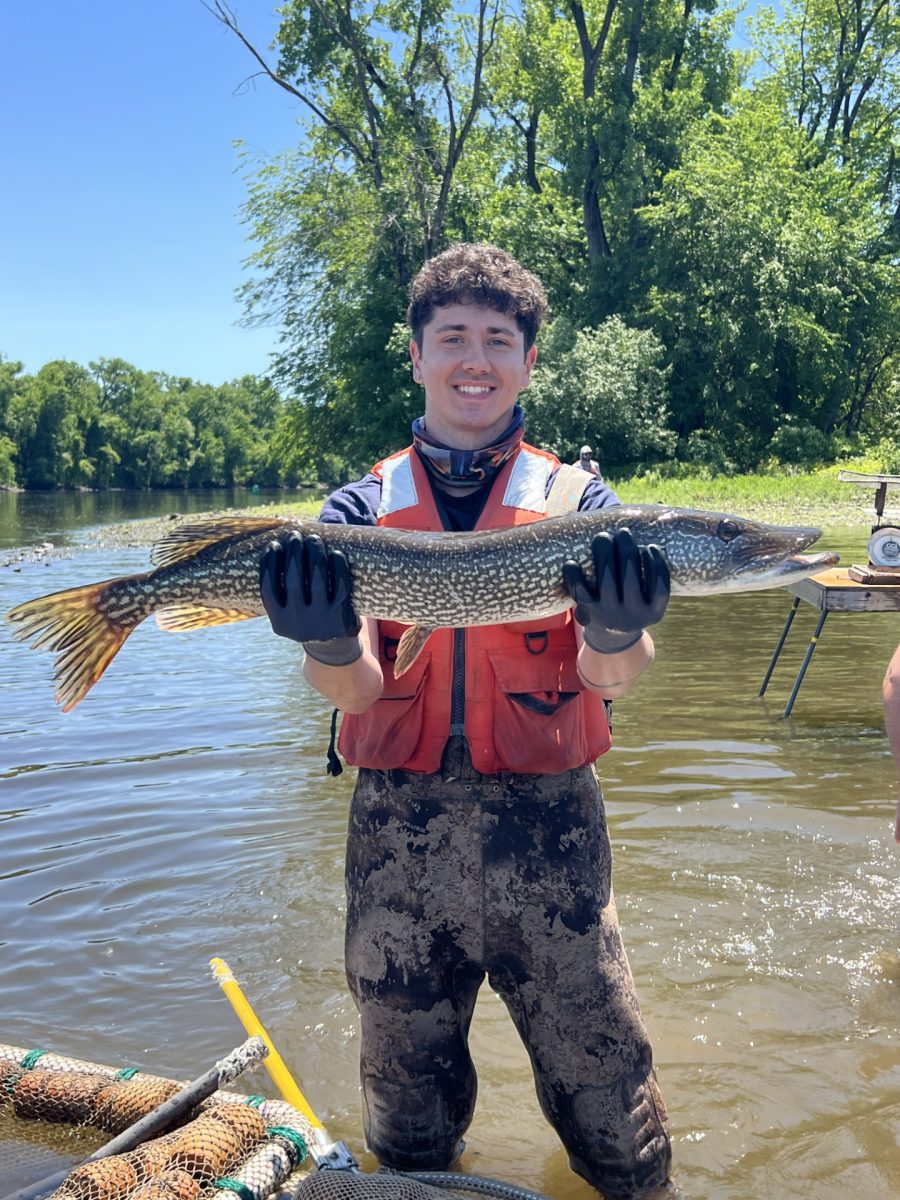
Colin Foley holds a Northern pike during a fish population survey.
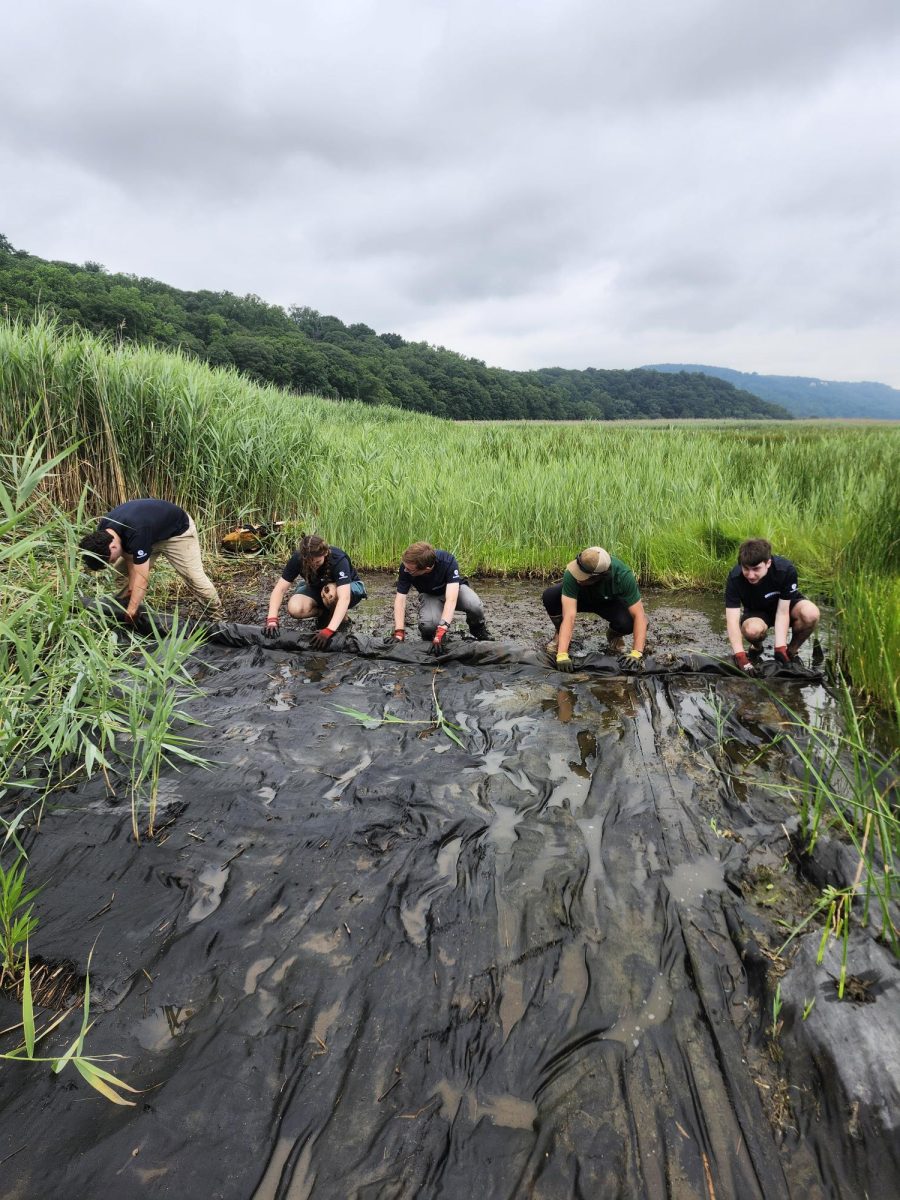
Stewardship staff and volunteers roll up geotextile, a chemical-free tool for invasive species management.
Reuven Frye, Stewardship Intern, Hudson River National Estuarine Research Reserve
Over the past three months, I have experienced the unique and beautiful tidal wetlands of the Hudson River from Piermont Marsh to Stockport Flats. My previous background focused on marine ecosystems, so I am constantly learning about the functions, processes, and biodiversity of freshwater tidal habitats. The fact that the Hudson River experiences semi-diurnal tides as far north at the Federal Dam in Troy is still so baffling and fascinating. As the stewardship seasonal intern at the Hudson River National Estuarine Research Reserve (HRNERR), my work primarily consists of managing invasive species, especially Phragmites australis, through cutting, crushing, and smothering, as well as reestablishing native plant communities through restoration. Additionally, we conduct water quality, vegetation, and wildlife monitoring to inform management and evaluate restoration activities. This multifaceted approach has allowed me to expand my knowledge and understanding of the Hudson River Estuary, while actively contributing to its conservation.
Alice Knipe, Trees for Tribs Intern, Hudson River Estuary Program
In my work as an intern for Hudson Estuary Trees for Tributaries Program, I help take care of around 5,300 native trees and shrubs which eventually get planted along the banks of tributaries that flow to the Hudson River. Having robust, vegetated riparian areas throughout our watershed helps alleviate the impact of flooding and erosion, filter nutrients and improve water quality, and create shade to cool down water temperatures. In addition to nursery care and some data entry, I spend much of my time in the field helping monitor and maintain trees and shrubs that have been planted in the past. I’ve learned so much about what the plants that make up the Hudson River estuary need to thrive, and how they relate to each other and the rest of the ecosystem. I feel inspired by the people and communities I meet who reach out to the program seeking to improve their local waterways.
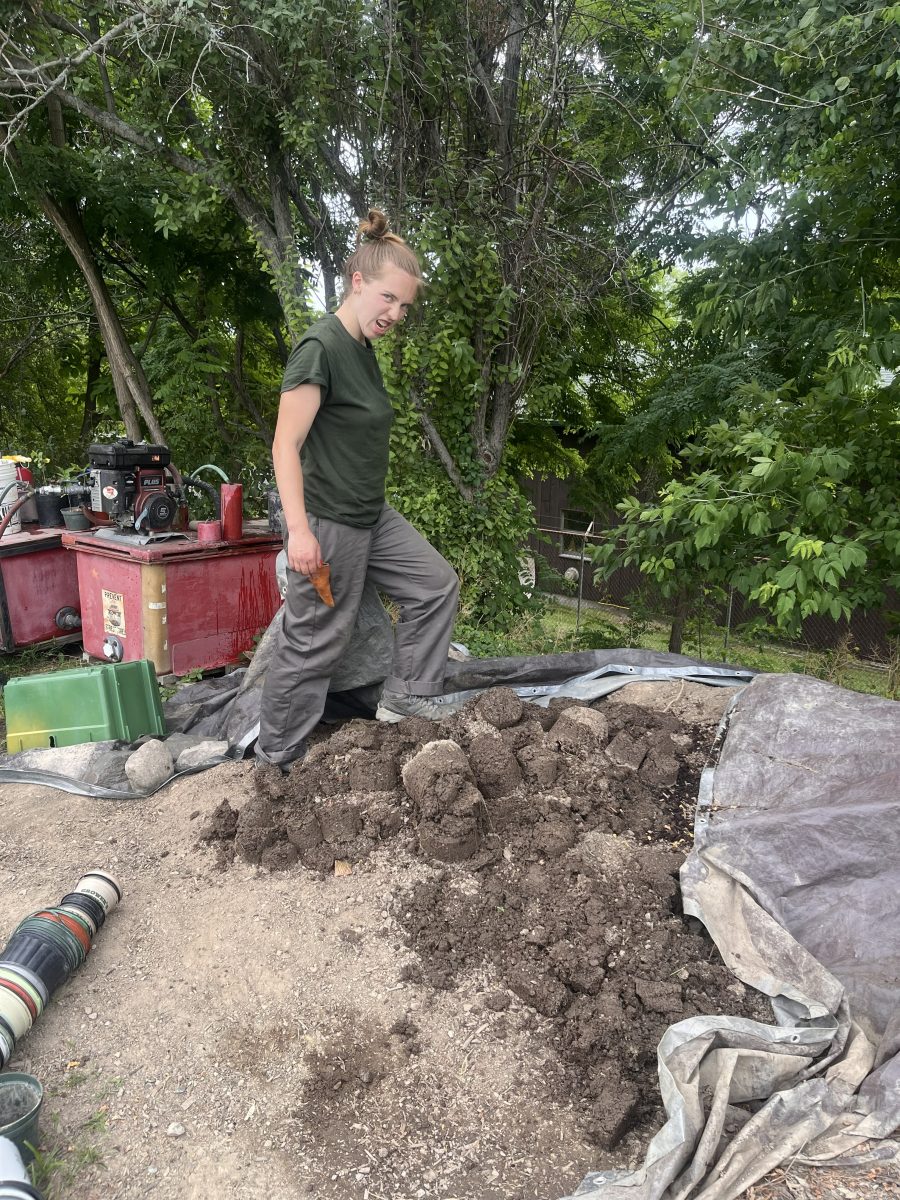
Alice Knipe in the tree nursery, where saplings are prepared for streamside restoration plantings.
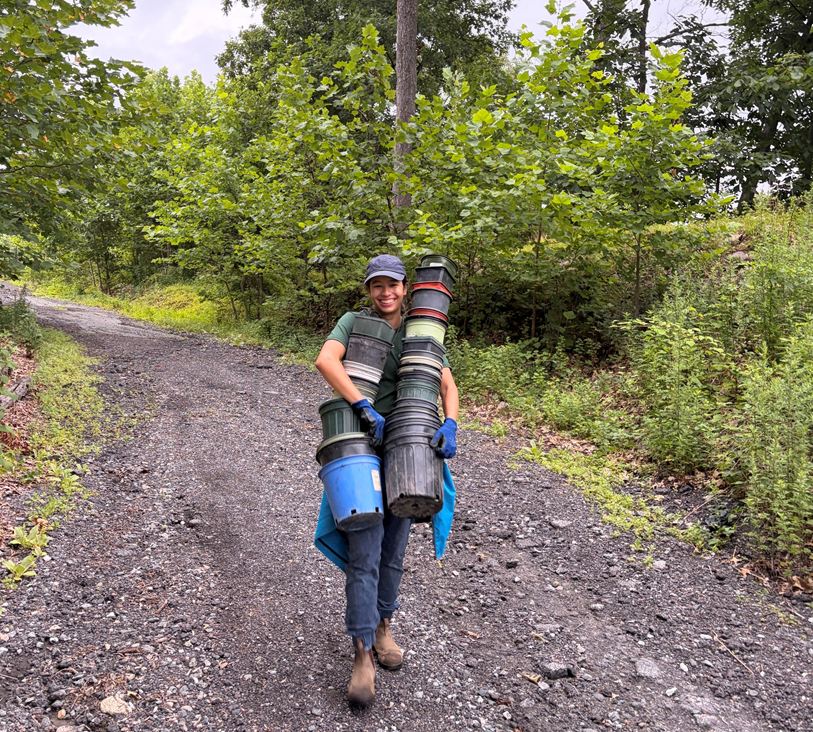
Daniela Ortiz cleans up after a streamside restoration planting event.
Daniela Ortiz, Water Resource Technician, Hudson River Estuary Program
As a seasonal technician for the Estuary Program’s Watershed Team, I am focused on projects that restore or preserve the ecological integrity of the Hudson and its tributaries. My time is spent about 60% outside, in the field. This summer, I was heavily involved in water quality monitoring of public drinking water sources that serve more than 400,000 residents within the Hudson River Estuary Program boundary. Another great aspect of my job is getting to hear from people in the communities I visit for field work. I love speaking with interested folks who pass by, explaining the work we’re doing that day, and getting to emphasize the direct impact that activities in the watershed have on water quality in the estuary. More than anything, I feel so lucky to get to experience the vibrancy and beauty of the estuary’s unique natural areas as we work to ensure that they remain intact for generations to come.
Teagan Russell, Water Quality Monitoring Intern, Hudson River National Estuarine Research Reserve
For the past eight months, I’ve worked as a Student Conservation Association AmeriCorps member at the Hudson River National Estuarine Research Reserve (HRNERR). As part of the HRNERR research team, I assist with biological monitoring of the Hudson River’s freshwater tidal wetlands. One piece of this monitoring is surveys of submerged aquatic vegetation (SAV), where I get to do hands-on field work in beautiful and muddy Hudson River habitats! At our reserve component sites, we kayak to research plots and collect data from edge to edge of SAV beds that span from shore to the main channel of the Hudson. We identify SAV species, then take measurements on their height and density within a 2×2 meter quadrat. Collecting this data yearly helps to track changes in growth of SAV, giving us a better understanding of how environmental conditions impact Hudson River habitats.
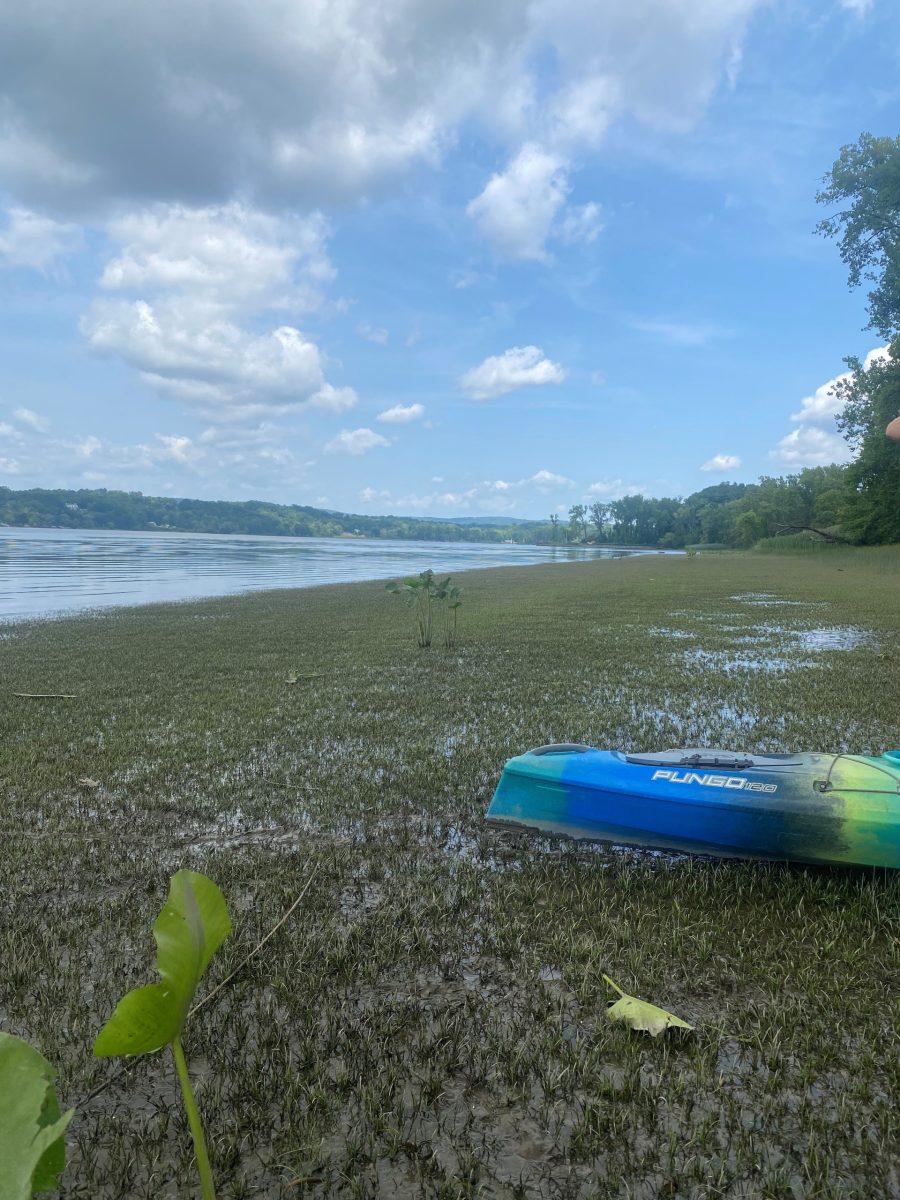
Shoreline SAV during low tide at Stockport Flats, a HRNERR component site.
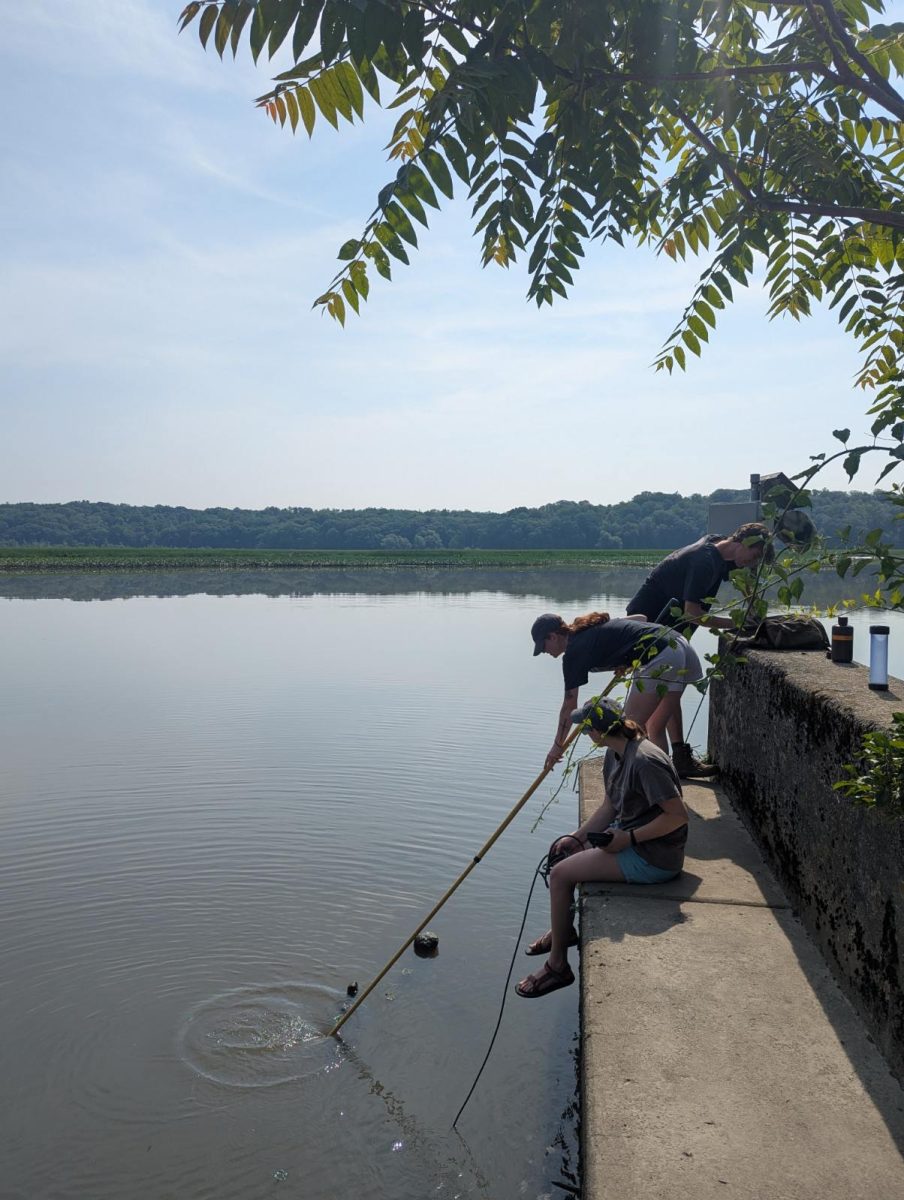
Sampling at HRNERR’s Tivoli North Bay water quality station.
Camille Seliquini, System-Wide Monitoring Program Intern, Hudson River National Estuarine Research Reserve
As a Student Conservation Association AmeriCorps member, I’ve spent the last year working in the Hudson River estuary with the Hudson River National Estuarine Research Reserve (HRNERR); surveying plant communities, monitoring water quality, and collecting meteorological data from HRNERR’s two weather stations. My favorite field site to visit has consistently been the Tivoli Bays area, near Bard College. Working in this beautiful environment and observing the changing landscape and wildlife throughout each season has been such a privilege. Snapping turtles, ospreys, bald eagles, and beavers are just a few of the many species we see at these sites. On one of my recent visits to Tivoli South Bay, I observed more than 15 great blue herons fishing and wading through the shallow water out on the mudflats. Experiences like this one, where I feel in awe of our local environment, are when I feel most connected to the work I do.
Vince Tarolli, DEC Fish and Wildlife Technician, Hudson River Fisheries Unit
Working with the Hudson River Fisheries Unit has given me the opportunity to gain valuable hands-on field experience in one of New York’s most important ecosystems. Everyone I have interacted with through the Hudson River Estuary Program has been incredibly welcoming and supportive, which has made the experience even more rewarding. I have especially enjoyed participating in the many different surveys conducted on the Hudson River and learning the various techniques used to study its fish populations. Our Striped Bass Haul Seine has been one of my favorite surveys so far. Being out in the field and handling the many fish species found in the Hudson has given me a greater appreciation for the importance of this work. Knowing that the data we collect can help protect and manage these fish populations for future generations makes the work feel even more meaningful. I have also really valued working in different regions of the river and seeing the unique landscapes and diverse aquatic life each area has to offer. Overall, this experience has given me a deeper appreciation for the Hudson River and the people who work to protect it, and I am grateful to be a part of that effort.
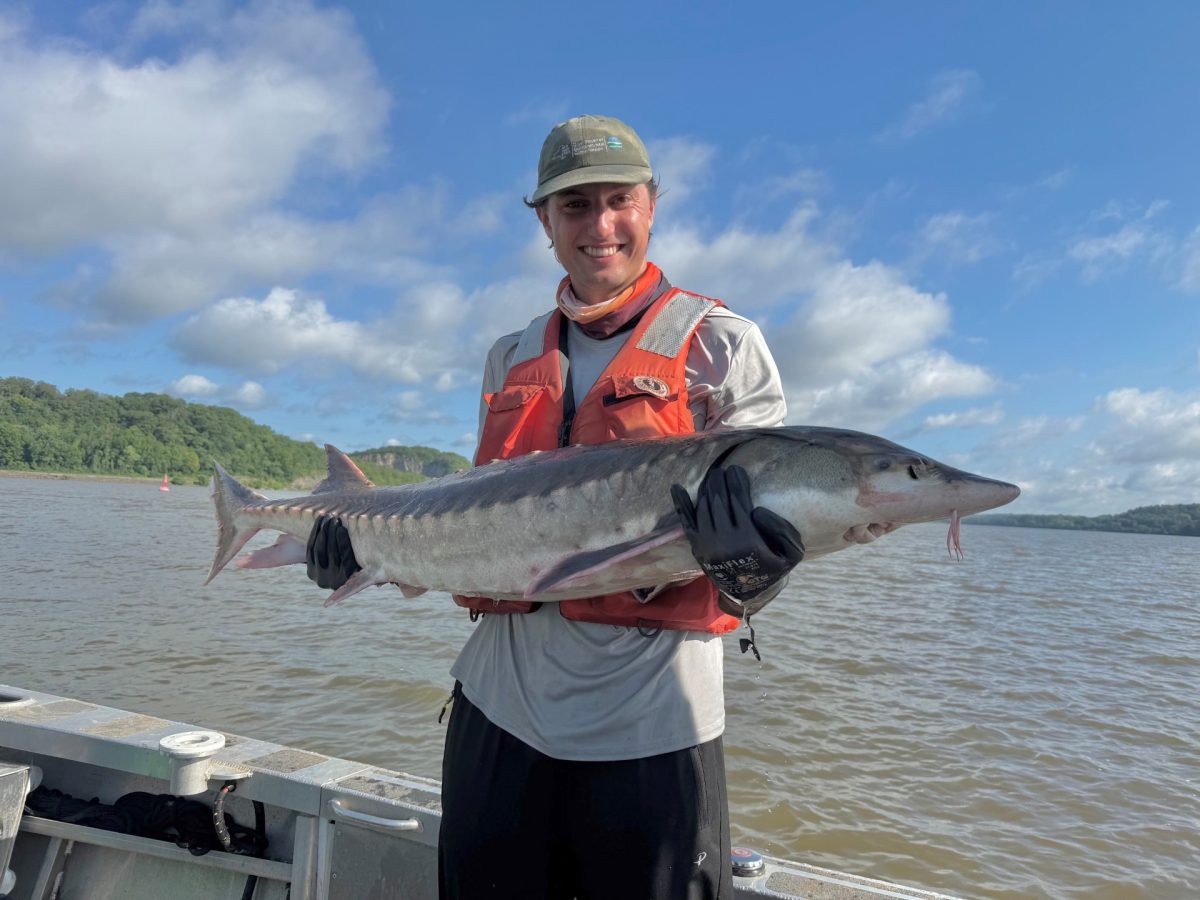
Vince Tarolli holds an Atlantic sturgeon during the annual population survey, NMFS research permit #20340.
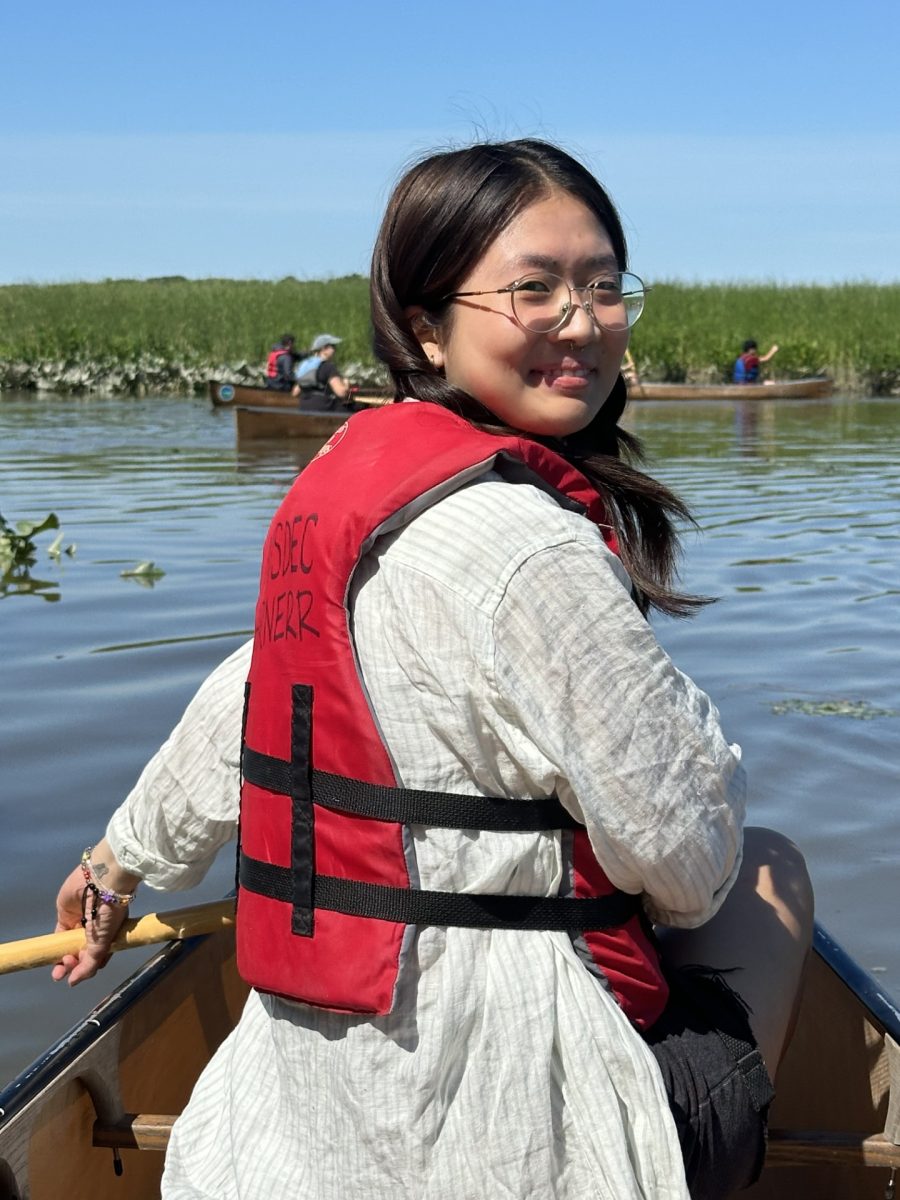
Emily Zheng leads a canoe program in a tidal wetland.
Emily Zheng, Education Steward, Hudson River National Estuarine Research Reserve
My first physical experience on the Hudson River was at Marist University during a canoe program at Norrie Point. This was my first time canoeing and I was absolutely horrible at it. Fast forward four years, I am currently a Student Conservation Association AmeriCorps member working on the education team with the Hudson River National Estuarine Research Reserve (HRNERR). One aspect of my job is now running these canoe programs for high school and college students. It has been amazing to see the teaching side of education and to gain more experience teaching students about wetlands and how to canoe
Get outdoors and explore your Hudson River Estuary at a HRNERR site near you!
Show Your Support for America's Estuaries
Use the hashtag #WadeIn and be sure to tag National Estuaries Week partners on social media with a story or image detailing why your estuary is important to you!